
Understanding Neuroinflammation in Children and Adults
Updated: Mar 3
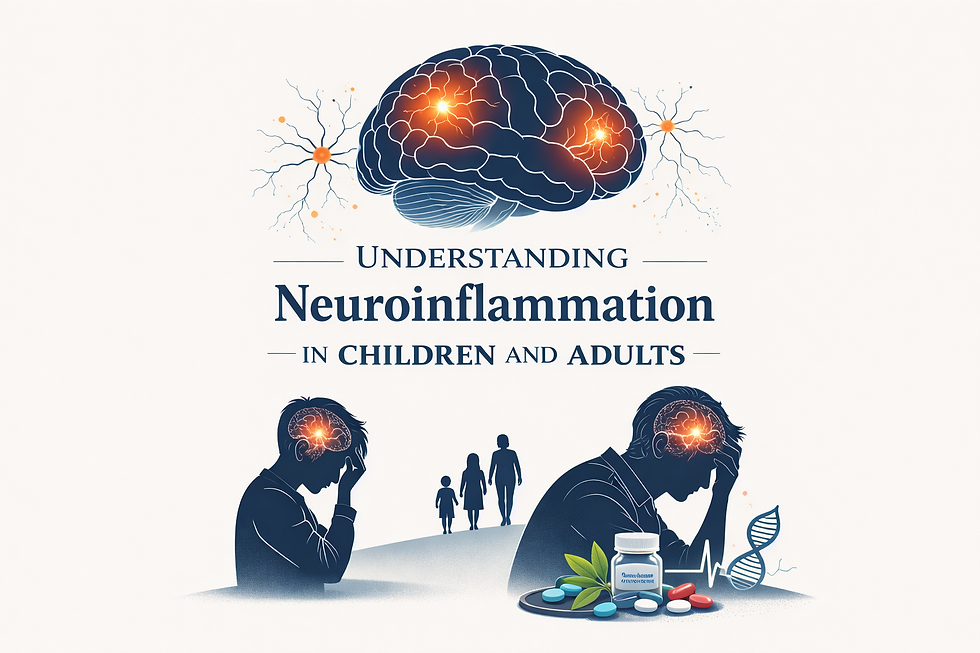
Neuroinflammation is a complex and often misunderstood phenomenon that affects both children and adults. It plays a crucial role in various neurological disorders and can significantly impact overall health. Understanding neuroinflammation is essential for parents, caregivers, and healthcare professionals alike, as it can lead to better management and treatment strategies for those affected. In this blog post, we will explore what neuroinflammation is, its causes, symptoms, and the differences in its impact on children and adults.
What is Neuroinflammation?
Neuroinflammation refers to the inflammatory response within the brain and spinal cord. It is a protective mechanism that the body employs in response to injury, infection, or disease. While inflammation is a natural part of the immune response, chronic neuroinflammation can lead to significant damage and contribute to various neurological disorders.
The Role of Microglia
Microglia are the primary immune cells in the central nervous system. They act as the brain's first line of defense against pathogens and injury. When activated, microglia can release pro-inflammatory cytokines and other substances that help combat infection and promote healing. However, if this activation becomes chronic, it can lead to neuroinflammation, which is associated with conditions such as:
Alzheimer's disease
Multiple sclerosis
Parkinson's disease
Autism spectrum disorders
Causes of Neuroinflammation
Neuroinflammation can be triggered by a variety of factors, including:
Infections: Viral or bacterial infections can initiate an inflammatory response in the brain.
Trauma: Physical injuries, such as concussions, can lead to neuroinflammation.
Toxins: Exposure to environmental toxins, such as heavy metals, can contribute to inflammation.
Autoimmune disorders: Conditions like lupus or rheumatoid arthritis can cause the immune system to attack the body's own tissues, including the brain.
Symptoms of Neuroinflammation
The symptoms of neuroinflammation can vary widely depending on the underlying cause and the individual. Common symptoms may include:
Cognitive difficulties, such as memory loss or confusion
Mood changes, including anxiety and depression
Fatigue and sleep disturbances
Physical symptoms, such as headaches or muscle weakness
Differences in Symptoms Between Children and Adults
While the symptoms of neuroinflammation can overlap between children and adults, there are notable differences in how they manifest:
Children: Symptoms may include developmental delays, behavioral issues, and learning difficulties. Children may also exhibit more pronounced mood swings and irritability.
Adults: Adults may experience more cognitive decline, memory issues, and chronic pain. Mood disorders, such as depression and anxiety, may also be more prevalent.
The Impact of Neuroinflammation on Children
Neuroinflammation can have profound effects on children's development and overall health. Research has shown that chronic inflammation in the brain can interfere with normal brain development, leading to long-term cognitive and behavioral issues.
Case Study: Autism Spectrum Disorder
One area of significant research is the link between neuroinflammation and autism spectrum disorder (ASD). Studies have found elevated levels of inflammatory markers in the brains of individuals with ASD. This suggests that neuroinflammation may play a role in the development of autism, potentially affecting social behavior and communication skills.
Managing Neuroinflammation in Children
Managing neuroinflammation in children often involves a multi-faceted approach, including:
Dietary changes: Anti-inflammatory diets rich in omega-3 fatty acids, antioxidants, and whole foods can help reduce inflammation.
Physical activity: Regular exercise has been shown to have anti-inflammatory effects and can improve overall health.
Therapies: Behavioral therapies and interventions can support children with developmental challenges related to neuroinflammation.
The Impact of Neuroinflammation on Adults
In adults, neuroinflammation is often linked to age-related cognitive decline and various neurological disorders. Chronic inflammation can exacerbate symptoms of existing conditions and contribute to the development of new ones.
Case Study: Alzheimer's Disease
Alzheimer's disease is one of the most studied conditions related to neuroinflammation. Research indicates that neuroinflammation may contribute to the progression of Alzheimer's by promoting the accumulation of amyloid plaques and tau tangles in the brain.
Managing Neuroinflammation in Adults
For adults, managing neuroinflammation may include:
Lifestyle changes: Adopting a healthy diet, engaging in regular physical activity, and managing stress can help reduce inflammation.
Medications: Anti-inflammatory medications may be prescribed to help manage symptoms and reduce inflammation.
Cognitive therapies: Cognitive training and rehabilitation can support individuals experiencing cognitive decline.
The Future of Neuroinflammation Research
As our understanding of neuroinflammation continues to evolve, researchers are exploring new avenues for treatment and prevention. Potential areas of focus include:
Biomarkers: Identifying specific biomarkers for neuroinflammation could lead to earlier diagnosis and targeted therapies.
Immunotherapy: Developing immunotherapies that specifically target neuroinflammation may provide new treatment options for neurological disorders.
Lifestyle interventions: Continued research into the impact of diet, exercise, and stress management on neuroinflammation could lead to effective prevention strategies.
Conclusion
Neuroinflammation is a complex and critical area of study that affects both children and adults. By understanding its causes, symptoms, and impacts, we can better manage and treat the conditions associated with it. Whether through lifestyle changes, dietary adjustments, or medical interventions, addressing neuroinflammation is essential for improving health outcomes. As research progresses, we can hope for more effective strategies to combat the challenges posed by neuroinflammation in our communities.
By staying informed and proactive, we can support those affected by neuroinflammation and work towards a healthier future.


Comments